• Blog
  • About
  • Tutorials
  • Prolost Store
  • Archive
    • Recent
    • Featured
    • All
  • Where to Begin?
  • Maschwikipedia
  • Contact
  • Comment Policy
  • Menu

Prolost

by Stu Maschwitz
  • Blog
  • About
  • Tutorials
  • Prolost Store
  • Archive
    • Recent
    • Featured
    • All
  • Where to Begin?
  • Maschwikipedia
  • Contact
  • Comment Policy

The Light L16 prototype spills its guts.

Exclusive Details on the Light L16 Camera

October 14, 2015

This is a follow-up to last week’s post on the Light L16 camera, a computational camera that claims unprecedented big-camera performance in a small-camera form. Light launched a pre-order campaign last week, with intent to ship the L16 in late Summer 2016 — and yesterday they announced that the pre-orders have been so successful that any placed after this Friday will ship later, in Fall.

On Monday, I visited Light’s offices in San Francisco. I saw their working prototype, their mock-up of what they intend to ship, and had a delightful and thorough conversation with their co-founder and CTO Rajiv Laroia.

I write this with some circumspection, as I look back with some regret in participating in breathless speculation about previous camera announcements that ultimately fizzled. But Light shared some interesting information with me that hasn’t been available elsewhere, so I felt I’d be doing a disservice not to share it here.

So here’s what we talked about.

These guys are the real deal. That’s maybe the most important takeaway from my visit. I’m impressed with what they’re up to. I still have a few concerns, but these guys are smart, they care about the right things, and from what I can tell, they have a sound plan. Check the About page on their site — they’re being very open about who they are and how much money they’ve raised.

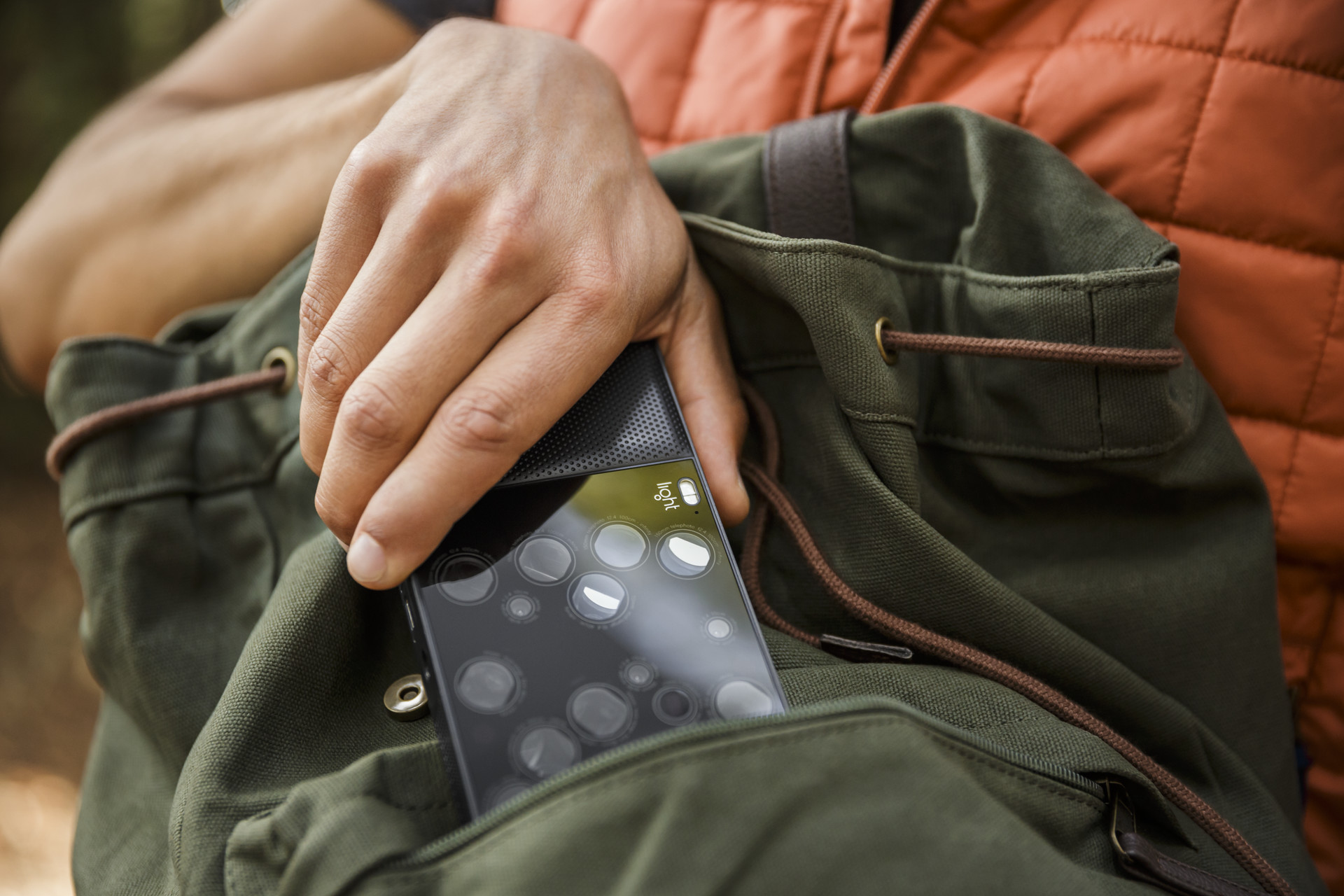
Speaking of “open,” they showed me all the blueprints. Using a 3D-printed model of the insides of the camera, they showed me the five direct-firing 35mm-equivalent cameras, and the 70mm- and 150mm-equivalent cameras that surround them on their sides, shooting through mirrors. You can probably figure out which are which in the photos. There’s a lot of thought to the layout, including accommodations for rolling shutter, and even placing closest to the handgrip the lenses least likely to impact image quality when occluded by a stray finger.

They showed me the mockup, which you saw in their promo video. It’s neither small nor big, and felt good in my hand. They also let me try a detachable oversized handgrip that I hadn’t seen on their site, which helps with balance and is planned to contain a larger battery as well. VP of Marketing Bradley Lautenbach told me that this grip will be included with the pre-ordered cameras.

They showed me the functional prototype — which still requires lots of help to do its work, but is ambitiously similar in size to the mockup.

Rajiv Laroia is an imposingly smart guy (you met him in this video), yet was more than generous with his time, and open about the challenges that face his company. He understands optics, and has no interest in defying the rules thereof — rather, he’s excited about harnessing them in new ways.

All in all, I was impressed.

They don’t need our money. They have $35M in investment and, in a detail absent from their site, are partnered with Foxconn for production of the L16. The $200 pre-order is designed to measure demand, so they can both begin a dialogue with a commited community, and set up their supply chain accordingly.

Speaking of supply chain, Foxconn makes iPhones. The L16 is a camera with high-end photography aspirations that will be built on mobile phone production lines, which is unprecedented. Rajiv stressed that the “why now” of the L16 is that, in the past five years, there has been a revolution of quality for cost in these smartphone camera modules. The quality is so good that the tiny plastic lenses in the L16 prototype are diffraction-limited, meaning they can resolve as much detail as the theoretical limit imposed by their size.

Which is why I was wrong about superresolution. I theorized that the L16’s megapixel claims were a product of interpolated resolution, but Rajiv set me straight on that.

The crazy resolution comes from tiling, which means those little mirrors actually move. When you shoot at the 35mm equivalent zoom, the five 35mm cameras fire, as do the five 70mm cameras. The 70mm cameras are oriented by their mirrors to tile the FOV of the 35mm cameras — one for each corner, and a fifth in the center.

The result is fused (not tiled) into a combined, simulated exposure.

An L16 photo at 35mm is made up of five 35mm (equivalent) images, plus five 70mm image tiles, all taken from slightly different perspectives.

An L16 photo at 35mm is made up of five 35mm (equivalent) images, plus five 70mm image tiles, all taken from slightly different perspectives.

What happens when you shoot at 150mm?

The mirrors angle the fields of view of the 150mm cameras to overlap completely, and the 70mm cameras fire too.

The details about the individual cameras that make up the Light L16 have been right there on their own web site since launch.

Video is a matter of bandwidth, storage, and heat. And processing time. The L16 will generate about 50 megabytes of losslessly-compressed material per exposure. Light could aspire to do that 24 times per second, but the camera would have to look a lot different to accomodate the requisite processing power and storage. Light is not setting their sights there just yet. For now, 4K video comes from a single camera — but which camera is determined by your zoom choice, so you should expect 4K at any focal length from 35mm to 150mm.

They really want to work well with Lightroom, which is great. Light’s software (which does not exist yet as shown in the video) is promised to output DNG files, but they know that closer integration would be better.

You do focus the L16. All the lenses focus together. Your range of refocusing in post centers around the focus point you selected when shooting.

Close focus distance depends on zoom, just like in reality. Expect about 10cm minimum focus at 35mm, 40cm at 70mm, and 1m at 150mm. Let’s not hold them to these numbers, but it’s nice to know.

The cameras use electronic shutters. Which means the L16 will be prone to rolling shutter artifacts, just like your phone. In other words, it’s probably not something to worry about. Long shutter durations are created by accumulating multiple readouts of the sensors.

Light needs light. The L16 is a light-gathering device. Thats why it’s as big as it is — just like my Canon 50mm. There is an ISO, but no control of aperture. They may promise great low-light performance, but you’ll make better photos with more photons.

There’s a depth map, and you can have it. The L16 outputs a depth map of the scene, and Light expects folks to use this to great effect in post processing. A high-quality depth map makes it easy to cut out foreground objects, or insert imagery into a photo.

The sample images on their site are not representative of the final quality they intend to ship. They know their gallery needs work. They realize the images are biased toward showing off sharpness, punch, and resolution, rather than meaningful refocusing and DOF-simulation. They know their low-light example isn’t great, and they know they’re not yet impressing anyone with the dynamic range.

As one might imagine, they scrambled to get these images shot with the prototype in time for their launch. Many features are not implemented yet in the prototype, most notably varying the exposure from camera to camera for single-shot HDR capture. This should improve dynamic range dramatically.

They know they need some soft-focus, non-blown-out sample shots, and they plan to shoot some.

But I’m still worried about their ability to make super sexy shallow DOF photos. I brought my Canon 5D Mark III with 50mm F1.2L lens along, hoping maybe I could do the Pepsi challenge between it and their prototype. That didn’t happen, but we looked at some ƒ/1.2 photos I’d shot recently and spent a good deal of time talking about that shot from Nocturne. We talked about what makes for pleasing boke, and what kinds of creative possibilities emerge when boke is simulated. Rajiv confidently assured me that they could do everything a real lens could — but he also repeatedly referred to my ƒ/1.2 photos as “corner cases,” which is engineer-speak for “not the problem we’re solving for” — and that concerned me greatly.

Light claims the L16 (mockup shown here on the right) will do everything the full-frame Canon 50mm F1.2 rig on the left does, and more.

I pushed back and told him what he already knew — that when I buy a lens that says “F1.2” on it, I’m not spending $1,500 to shoot at ƒ/4.0. Photography is all about corner cases. We buy full-frame cameras and fast glass so we can push them to their extremes. The cake I want to have-and-eat-too with the L16 is the shallow DOF of my Canon, with the promise that I’ll never miss a shot due to focus.

A portrait I made at 50mm, F1.2 on Saturday. This is the kind of image I'd like to see on Light's L16 gallery page.

The biggest complaint I’ve seen about Light’s marketing is that they talk about ƒ/1.2, but don’t show it. Ironically, their own site is full of shallow-DOF photography with sexy boke — but it’s all the shots of the camera, not made by it.

The biggest risk I see facing Light with the L16 is that they’ll be able to produce perfectly acceptable photos with it.

We can already do that with our telephones. The challenge is clear: They need to bring the sexy.

There are so many more possibilities to come. The potential of cameras like this is mind-boggling. The depth map could well be so accurate that you could usefully measure objects in a photo. You could accurately place 3D objects into an L16 photo, with automatic occlusion. It’s an ideal tool for lightweight 3D scanning too — extracting a decent 3D model from a depth map and corresponding RGB data is trivial, and technology exists to merge a few such samples into one very nice textured 3D model.

But back to photography: When it comes to simply processing your photos, much more than simple selectable focus is possible. You could design your own boke pattern. Create a plateau of focus in an otherwise shallow-focus shot. Tilt or even bend the plane of focus to hold two sharp eyes at ƒ/1.2, or simulate a tilt-shift lens. Because you can center the synthetic aperture anywhere on the virtual imaging plane (just like Lytro), you can do parallax tricks, or render a stereo pair of images from a single shot.

The L16 may or may not be able to make photos as appealing as those I routinely make with my bulky, expensive Canon rig — but it may not have to either. It might carve out an important niche for itself as a camera that is much more than just a camera.

But I hope it does more than that.

Last point: We’re not done. They’ve invited me back for another visit. This time, we’re going to take some pictures.

Tags: Cameras, Light L16, Photography, Lightroom
24 Comments

The Light L16 Camera and Computational Photography

October 09, 2015

Photographers and cinematographers love lenses. We romanticize this part of our kit more than any other, going on about “the Cooke look” or the unique character of a vintage Canon with spherical elements. But the time may come when our big, heavy chunks of polished glass are replaced with arrays of small, unremarkable image gathering sensors that not only boast improved image quality over their traditional ancestors, but can be tuned to emulate any of their qualities.

What if you could choose any lens characteristic you desired, including focal length and even depth of field — without ever changing lenses? What if you could make these decisions after the photo was shot?

What if you could not only specify how much (or little) depth of field your photos had during post processing, but you could also change which part of the image was in focus?

What if you could simulate any lens, from an NASA Zeiss F0.7 50mm that Stanley Kubrick used on Barry Lyndon, to a tilt-shift, to a razor-sharp telephoto at ƒ/22? All with a single camera the thickness of a point-and-shoot?

This potential future of photography has a new player with a very fancy web site and a pre-order form. Meet the (website for the) Light L16 Camera.

When the Photo is Built, Not Taken

The Light L16 is based on a concept known as computational photography. What that means is that the final photo that it generates is not a 1:1 record of light intensities captured on a photosensitive surface, but rather a reconstruction, based on multiple imaging sources.

Remember the Lytro camera? It was the first commercially-available computational camera. Known as a "plenoptic," or "light field" camera, the Lytro features an array of microlenses directly on its sensor. A traditional lens focuses the scene onto this micro-lens array, and the sensor records many small images of the scene — one per micro-lens.

They key is that each micro-lens sees a slightly different perspective on the scene, just as a grid of cameras aimed at the same subject would. Software can use these multiple perspectives to build a depth map of the scene, and reconstruct a photo at a higher resolution than any one of the capture sites. This reconstructed image can have any depth-of field you like (up to the limits related to the full sensor size) and can even be re-imaged from the perspective of any of the micro-lenses, giving you the ability to create a paralax effect in post-processing.

It’s a bit like a police sketch artist creating a crisp likeness based on multiple blurry photographs. With enough of them to work with, the drawing can look nearly perfect.

You can see live examples of this madness at Lytro’s gallery. Hover your mouse over the images to see the parallax effect, and click to refocus the photo wherever in the image you like.

How Many Cameras Does it Take

Last year the HTC released the One M8, a smart phone with a second rear camera devoted entirely to recording depth information. Its built-in software allows adjusting the appearance of shallow DOF. Some examples I found were convincing, some not so much.

This two-camera approach was an improvement over previous attempts at this kind of thing in mobile phone photography, where multiple photos taken at slightly difffernt times could be combined to offer post-processing focus options.

If the multiple-imagers to make one picture thing is not exactly new, what’s special about what the Light L16 promises?

Photo courtesy light.co

Photo courtesy light.co

Choose Your Fetish

The Light L16 has 16 separate cameras at various focal lengths. Many are quite a bit larger than what you'd find in a smartphone, packed in sideways and firing through mirrors. The resultant arrangement of apertures looks almost insect-like. Depending on the zoom level you choose at capture time, ten of the 16 cameras are fired to gather material to merge into a final image.

What does this buy you?

Megapixels

I recently wrote about 3,000 words about how you might not want the overhead of the Sony a7R II’s 42.4 megapixels. The Light L16 promises stills of up to 52 megapixels. This is presumably possible because of a technique known as superresolution, where multiple samples are combined to create an image of higher resolution than any one of its sources. If you want to play with this technique today, try the Cortex Camera app for iPhone.

35–150mm zoom

This isn’t truly an “optical” zoom, because the images are synthesized, but since some of the cameras on the L16 are genuinely longer in focal length, you should expect high (super)resolution results at any virtual focal length in that range.

A long zoom is hard thing to find in a pocket camera, and when you do see it, it’s always at the expense of my fetish:

Shallow Depth of Field

The L16 promises to be able to emulate a ƒ/1.2 aperture in its post processing. But don’t worry, you can decide just how shallow your DOF should be in post — as you see happening in Light’s lavishly-produced demo video:

Of course, shallow focus is just one option. MIT Technology Review’s Rachel Metz’s wrote about her visit to Light’s offices:

Light didn’t show me any working camera arrays, though I did see an image of one of the company’s engineers that was shot with a test array of four eight-megapixel sensors and combined with software. In a close-up of her face, her hair and the background were quite sharp.

That sounds terrible to me — but here’s one pocketable camera that promises Rachel her infinite DOF and me my crazy shallow focus. And I’m sure there are occasions where each of us want the opposite.

Focus Later

Because light field cameras offer the ability to select what’s in focus after the shot is captured, not only can you choose focus manually, but the camera’s decisions about what should be in focus could be made after the shutter is depressed rather than before, eliminating some delay.

And then in post processing, you grab a slider and make that final tweak to sharp-up the eye rather than the eyelash.

Low Light

The L16 video shows how multiple exposures are combined to create low-noise images even in low-light situations. I’m curious as to why Light doesn’t play up the HDR possibilities here more, but low light performance is definitely nice, and also something that traditionally would come at the expense of the other features listed here.

Perfect focus every time. A 35–150mm equivalent zoom at ƒ/1.2. Great low-light performance and more resolution than a $27,000 medium-format Hasselblad. It’s easy to see why folks are excited — this camera seems to have it all.

Of course, it doesn’t exist yet.

The Light Plan

Light plans to ship the L16 in “Late Summer” of 2016 at a cost of $1699. You can pre-order now, and your $199 (refundable) down payment earns you a $400 discount on the list price.

View fullsize gallery_image_7.jpg
View fullsize gallery_image_8.jpg

Should You Order One?

A lot can happen between now and Spring. Light seems to have moved from a business plan of building camera modules for mobile phone manufacturers to include in handsets, to a selling directly to consumers. But their Plan A is, very likely, everyone’s Plan A. My estimate is that within two to four years, technology like this will be commonplace in mobile phones.

I’ve been hoping that would be true for a while now, so I might be overly optimistic. Apple can barely squeeze their single tiny camera into their current iPhone. Digital imaging maestro and former Apple employee Ron Brinkmann wrote about the possibilities of a bug-eyed camera array in an iPhone back in 2011 when the Lytro was announced.

It seems inevitable that the future of mobile phone photography is multi-capture computational, but it’s not clear exactly when that future will be. Light is promising to put it in your hands early next year. But I’d guess they’re also working on making their technology available to others at the same time.

What I Like

Lytro seemed positively obsessed with the idea that their cameras made a new thing called “Live Photos,” meaning the focus and parallax hijinks should be exposed to the viewer, rather than provided to the photographer as editing tools with the goal of producing a superior traditional photographic result. It’s fun to play with in their gallery, but it’s not photography. When I make a photo, I frame it. I decide what you see, and that includes focus. Focus is framing in depth. When you ask the viewer to chose it for you, it’s like beginning to tell them a joke, and then asking them to provide the punchline. It’s dissatisfying to them, and an abdication of your responsibilities as a photographer.

I like that Light seems to be dispensing with this technological showcasing and focusing on giving photographers tools to make the best pictures possible.

I also really like that whole thing about perfect focus every time, a 35-150mm zoom at ƒ/1.2, great low-light performance and more resolution than a Hasselblad.

It simply seems miraculous, and I want it all.

These Are Our Concerns

I am always suspicious of miracles in photography. At best, they may result images that appear to have had miracles worked on them.

We romanticize lenses in part because lenses are weird. Strange things happen with them. Have you ever noticed a background distorting along the edge of an out-of-focus foreground? Or how heat ripples refocus light? How spectacular (and hard to fake) anamorphic lens flares are? Or how sharp silhouettes appear in big circles of boke? Look at this shot from Nocturne:

Notice how clearly your eye can resolve the silhouette of the approaching skateboard wheels, sharply outlined within the boke of the distant headlights. Those of us who fake reality for a living know how hard it is to generate this kind of organic, optical reality. This shot is a light sculpture, a freak of nature. It’s weird, and wonderful, and it’s actually communicating a lot of information in those blobs of light. I’m not sure you could make anything like it by reconstructing multiple images.

Not that the L16 would claim to — it’s important to note that the L16 is promising 4K video from a single-sensor only, so none of the fancy DOF or refocusing will be available in motion. Maybe light-field video will be next year’s pre-order.

One big issue I have looking at Light’s sample gallery is that there are very few examples of shallow focus. The few comparisons they present are very conservative — more so than what they show in the video. If the L16 can really emulate ƒ/1.2, we've yet to see it.

View fullsize gallery_image_24.jpg
View fullsize gallery_image_23.jpg

The sample gallery seems tuned to Rachel Metz's tastes, not mine. There's a lot of pop and contrast, and little indication of broad dynamic range, or sultry shallow focus. Light would do well to get some moodier, sexier samples into that gallery.

If you want to get people excited about your breakthrough camera, show gorgeous examples. Period.

— Stu Maschwitz (@5tu) October 9, 2015

It’s worth thinking about about how a camera like this would integrate with your daily photography habit, which, for me, revolves around Lightroom. These photos obviously require Light’s own proprietary software for all the fun tricks, but I want it all — Lightroom’s color and organizational control, without giving up my ever-re-editable DOF and focus sliders.

I have one last concern, and it’s a big one. Next summer is soon. This camera doesn’t exist yet. Let’s have a little Shyamalan flashback to that MIT Technology Review quote: “Light didn’t show me any working camera arrays.” That was in April of this year.

An anonymous friend (and Lytro owner) shared his skepticism with me:

Acording to that same article, Light has partenered with Foxconn to finance and manufacture the L16. Still, my sense is that we'd all be wise to treat this pre-order situation like any crowdfunding campaign from Kickstarter or the like — with the proviso that Light promises to refund your down payment if you ask in time.

Pre-Ordering the Future

Today we get to decide if we want to pay now to potentially play with the far future in the near future, or just wait for the future to arrive on its own. Sometimes the future is amazing. Sometimes, when it arrives too early, it winds up sitting on a shelf — like my friend’s Lytro.

Even with the $400 discount, $1,300 is a lot to spend on an experimantal camera that doesn't integrate into your existing workflow. On the other hand, what the L16 promises cannot be had at any price today. What would you expect to pay for a F1.2 35–150 zoom lens?

For now, Light has $200 of my money. And I have an invitation to visit them and learn more in person. So this won’t be the last you read about the L16 here.

Update 2015-10-14

I visted them.

Source: https://light.co/ Tags: Photography, Light L16, Lightroom
9 Comments
Just the essentials.

Just the essentials.

Introducing Prolost EDC for After Effects

October 08, 2015

Over my many years using After Effects, I’ve always kept with me a set of simple, homemade utility presets. Most are just shortcuts to effect settings I use all the time, or easy ways of applying common expressions. Lately, a few of them have gotten a little more complex too.

Prolost Spanner 2D makes it easy to set aim one 2D layer at another.

Prolost Spanner 2D makes it easy to set aim one 2D layer at another.

These are my go-everywhere-with-me After Effects mini-tools, which reminded me of the concept of an “Everyday Carry,” or EDC. There’s a bit of a fetish out there, which I admit I share, for compact, efficient tools that one never leaves home without — in fact, there’s a whole site dedicated to it, where just about every day you can find the last watch, wallet, or pocketknife you’ll ever need. And then find a new one tomorrow.

So today I’m releasing Prolost EDC for After Effects. It’s a fun experiment in a couple of ways:

Pay What You Like

You decide what Prolost EDC is worth to you. You can pay anything you like, even nothing at all.

Free Updates Forever

Prolost EDC is a subscription. I can’t promise how often, but I’ll add to the set over time, and release free updates. You’ll be notified by email whenever this happens.

Prolost EDC is available now. You can see the complete list of presets here.

Get Prolost EDC
Tags: Visual Effects, Adobe After Effects, Filmmaking
4 Comments

A smidge of Gradient Dehaze.

More Lightroom, More Dehazing, More Free Presets

October 05, 2015

Today at Adobe MAX, the entire Lightroom lineup was updated, from Lightroom Web to Lightroom Mobile for iOS and Android. Lightroom itself is now at 6.2 (perpetual) and 2015.2 (Creative Cloud), and guess what? It comes with more Dehazing-related features that are only available to Creative Cloud subscribers.

You may recall that, with Lightroom 6.1/2015.1, Adobe introduced a new control for removing haze from photos — but only for subscribers. I wrote about that here, and offered some free presets to enable the functionality even for non-CC users.

Today's update adds Dehaze to the list of local adjustments, meaning CC users can brush it in, or use it on a Graduated or Radial Filter.

Now before you get out your jumbo Sakura marker and make a protest sign that says “How dare Adobe provide new functionality on a continual basis exclusively to people who pay on a continual basis?”, take a deep breath and download Prolost Dehaze v1.2, which gives Lightroom 6 owners (limited) access to these new features, even without a Creative Cloud subscription.

Get Prolost Dehaze 1.2

Prolost Dehaze 1.2 includes:

  • Dehaze — the same global Dehaze from 1.0, but with finer increments.
  • Gradient Dehaze
  • Radial Dehaze

The workflow is a little funky, so you’ll want to read the User’s Guide. In a nutshell, you can move and edit the Graduated or Radial Filter created by the preset, and even edit it with the Brush tool, but you won't reliably be able to adjust the intensity of the Dehazing effect after applying. Please really do RTFM on this one, because there are big limitations and a right and wrong way to work with these presets.

Prolost Dehaze v1.2 is free, just like last time, and I’ve made the download process a lot easier since then.

Prolost Dehaze is a part of the Prolost Graduated Presets, which I've updated as well to include the new Dehaze presets.

What else is new with Lightroom?

The headlining feature in Lightroom 6.2/2015.2 is a simplified import experience. Lightroom Mobile for iOS has been upped to 2.0, with the addition of an improved Collections View, a built-in camera, and oh, boy, the Dehaze control. Lightroom Mobile is now free to use locally (device photos only) without a Creative Cloud subscription. And Lightroom Web now allows you to edit your photos for some reason. Read all about it at the official Lightroom blog.

Update 2015-10-09

This release of Lightroom has been controversial for both the features removed in the name of streamlining the import process, and for some crashing/performance issues on Mac, possibly having to do with El Capitan. Today, Adobe released 6.2.1 to address the crashing and performance issues. Find it under Help → Updates.


Featured
Prolost Dehaze
Free
Prolost Dehaze
Free
Free
Prolost Graduated Presets for Lightroom
$49
Prolost Graduated Presets for Lightroom
$49
$49
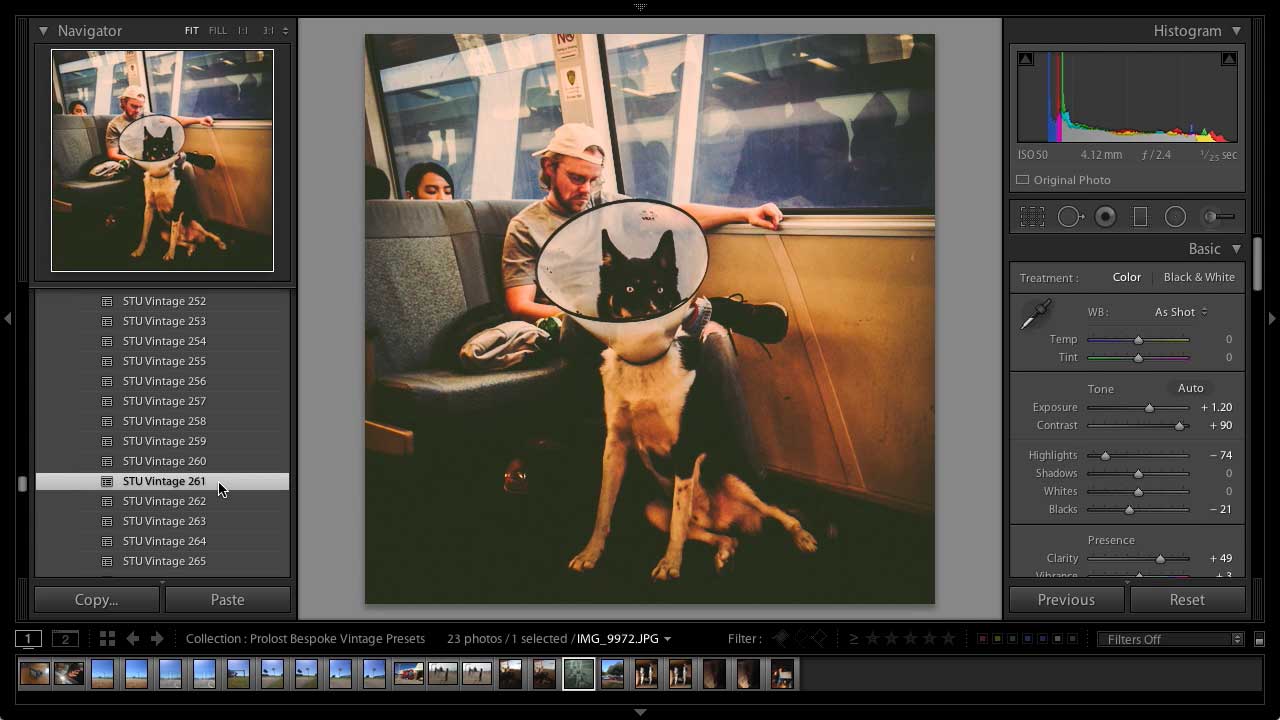
Prolost Bespoke Vintage Presets for Lightroom
From $39
Prolost Bespoke Vintage Presets for Lightroom
From $39
From $39
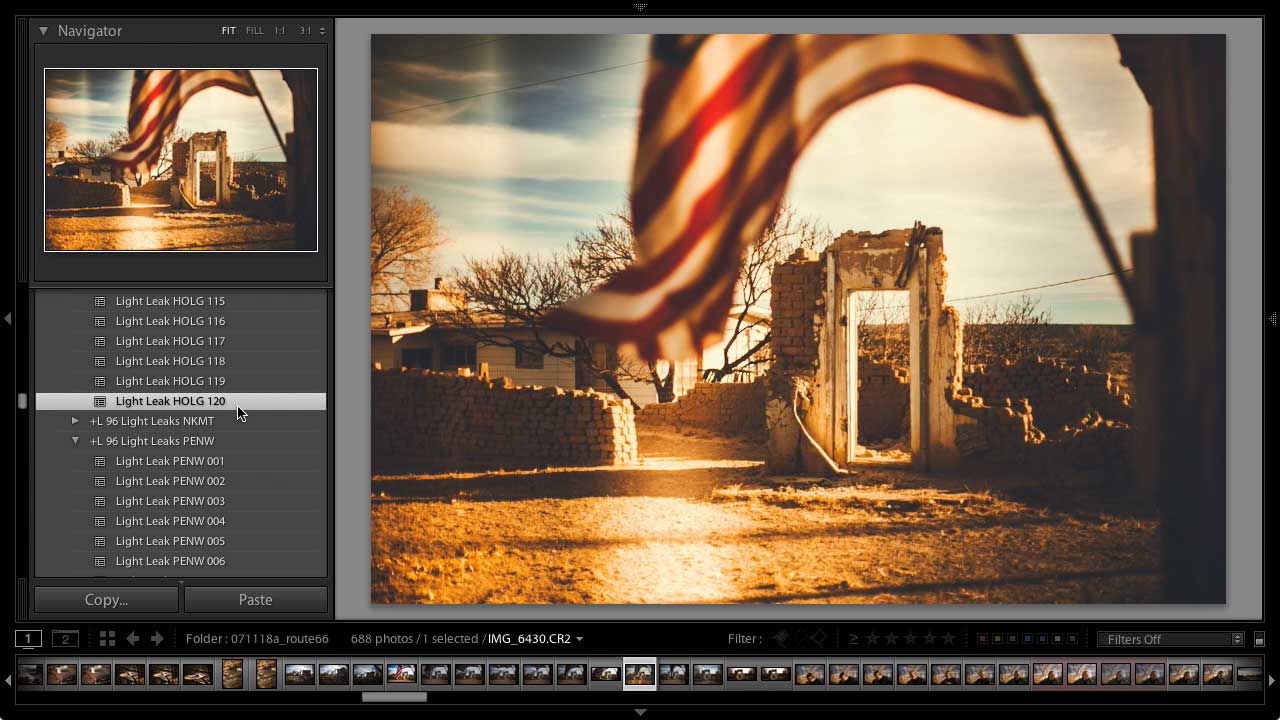
Prolost Light Leaks
$29
Prolost Light Leaks
$29
$29
Tags: Lightroom, Photography, Adobe
Comment
The Sony a7R II.

The Sony a7R II.

Impressions of the Sony a7R II

October 02, 2015

Sony loaned me an a7R II to try out. It’s an awesome camera, but not the one for me. However, Sony has nearly won me over with their mirrorless full-frame line.

Sony is On Fire

I heard a story somewhere that, several years ago, Sony realized they were no longer a major player in the high-end photography market, and they decided to change that — even if it meant doing some crazy things, like putting unprecedented resources into the division, undercutting some of their own gear, and challenging their own assumptions about cameras. Whether or not this story is true, whatever Sony’s been up to in the past few years has worked. Among every photographer I know, Sony is the manufacturer that has them excited. Switching camera platforms is a complicated, expensive ordeal, and I see many of my friends doing it.

The a7R II is the sequel to the a7R of course. I don’t completely understand Sony’s naming convention, but the “a7” line (or ɑ7, depending on how typographical you’re feeling) are full-frame mirrorless, and the “R” stands for Resolution. In other words:

This is Sony's new specialty camera for people who prioritize megapixels.

Sony a7R II with Sony FE 28mm F2.0. 1/500 ƒ2.0 ISO 100.
ENHANCE.
ENHANCE.
Sony a7R II with Sony FE 28mm F2.0. 1/500 ƒ2.0 ISO 100. ENHANCE.

For context: I’m not one of those people. I don’t pixel peep, or print prodigiously. When it comes to photosites, I choose quality over quantity. As I recently wrote, the 12-megapixel a7S that I ostensibly bought for video has captured my enthusiasm for stills, often traveling with me instead of my Canon 5D Mark III.

Personal preference aside, the perennial question about a high pixel count is whether or not it increases or decreases image quality. There are so many factors at play here that it’s impossible to rely on rules of thumb, but in general, because smaller pixels get fewer photons when all else is equal, you can expect more noise. And because the noise is smaller, you can expect to see it less.

If it sounds like you could find yourself in a break-even position here, you're right. In general, and within reason, pixel count is not a strong determiner of perceived image quality. And yet here we are discussing a camera with resolution as its claim to fame.

The Deets

Here are the details about the a7R II that I think matter:

  • 42.4 megapixel sensor. That makes for a pixel resolution of 7,952 x 5,304, and lossy-compressed raw files that are about 41 megabytes in size.
  • 4K sLog 2 video recording in-camera, full-frame or 1:1 crop.
  • On-sensor phase-detection autofocus
  • 5-axis sensor-shift image stabilization
  • Everything that was already great about the a7 line, refined — including:
    • The magnesium body (slightly larger than the a7S’s) looks and feels great
    • The perfect articulated rear 3“ LCD screen
    • Razor-sharp OLED viewfinder
    • It comes with a battery charger and an extra battery! Yay! And boy, will you need them. Boo.

With that covered, let’s get something out of the way right away:

For Stills, Mirrorless is Totally Here

I don’t know exactly when it happened. Maybe it was way back in 2013 when Trey Ratcliff switched, or maybe it was later, when Sony threw enough processing horsepower at the full-frame line that autofocus started to work as well as we’d come to expect from DSLRs — but mirrorless has totally, resoundingly arrived.

...except for auto review.

There are still some adjustments if you’re coming from the DSLR world. A big one is image review — that thing where the camera shows you the photo you just took. It’s on by default, but you’ll quickly spelunk deep into the byzantine menus to turn it off, because it keeps you from seeing through the viewfinder.

Pause to absorb how stupid this is.

On a DSLR, when you snap a photo, the LCD is free to show it to you. It’s up to you to chimp it or not, but if you keep your eye to the viewfinder, you get an uninterrupted view of your subject, and your brain stays in shooting mode where it belongs.

Reviewing shots in the EVF is not just disconcerting, it will actually cause you to miss great shots. It’s a terrible idea.

However, it’s also not so great to run in full-macho mode with no review at all. There are so many settings available on these cameras that it’s easy to get some wrong, and I’ve blown many shots by blasting away without the rear LCD alerting me to my mistake.

The obvious solution would be to enable review on the rear LCD, and not in the viewfinder. But this option is not available on any of Sony’s Alpha cameras. Until it is, you have to choose between the review blocking your subject, or sacrificing any kind of auto-review at all.

...and battery life.

DSLR shooters generally don’t turn their cameras off, because there’s no reason to. Unless you’re using an unusual continuous autofocus mode, a DSLR left on is using almost no power. We think about how many days we can go without charging, not how many shots.

Not so with mirrorless. These cameras chew through power. The a7S came with an external charger and an extra battery, ostensibly because of its video emphasis. The a7II (the Alpha that nether specializes in Resolution nor Sensitivity, and that I got to play with in San Diego thanks to Sony) ships with only one battery and no external charger, which is crazy. Sony is wise to include both with the a7R II.

...and cost.

Recently, folks finding my How to Take Good Photos for Under $1,000 article have asked me if I still recommend a DSLR over an entry-level mirrorless for getting into serious photography. The answer is yes, largely because of price.

This isn’t a tremendously germane point to a discussion of the a7R II, a full-frame flagship camera body — but it is worth mentioning in the context of mirrorless adoption in general.

Sony a7R II with Sony FE 35mm F1.4. 1/250 ƒ/1.6 ISO 800.

On Compressed Raw

Sony compresses their raw files using a clever locally-adaptive bit-depth reduction system that you will never notice unless you try very hard. And lots of very vocal people have done exactly that — if you’re a paranoid pixel-peeper, the internet will happily indulge your efforts to manufacture dissatisfaction with the photos this camera makes.

You might even find some examples where the artifacts seem genuinely troubling. But if your reaction to this camera is that you wish the 41-megabyte raw files were twice as large, you and I disagree profoundly.

However, I can easily imagine how a person to whom the insane resolving power of the a7R II matters greatly (i. e. not me) could also be the person to whom any lossy compression in the raw file is anathema. Luckily for you, Sony has announced a firmware update that will enable losslessly-compressed 14-bit raw on the a7R II. Enjoy your 80-megabyte files.

Sony a7R II with Sony FE 28mm F2.0. 1/3200 ƒ/2.0 ISO 100.

This is not a review.

These are my impressions of using the camera in real-world situations. I brought it to two birthday parties and a birth (well, the day after a birth). In fact, I met two brand-new babies with this camera in hand. I brought it my son’s first day at a new school. But I intentionally left it home for a wedding. I shot about 2,100 stills and a handful of video clips. I almost exclusively used the three loaner lenses from Sony.

Here are some review-ish observations:

  • I love that you can set a minimum (i.e. go-no-slower-than-this) shutter speed in aperture-priority mode. I wish my a7S had that.
  • So many menus. You will get lost. It’s worth setting up the programable buttons to access common adjustments.
  • The autofocus is amazing, but there are so many options for it, tucked in so many places, that you will always be certain you’re using the wrong ones.
  • This camera is the perfect size.
  • Sony’s focus peaking for video is the ideal focus assist for stills. You’ll take the best manual-focus shots of your life with these recent Alphas.
  • Big files are slow. Everywhere. Shooting, ingesting, processing, sharing.

You Say You Wanted Resolution

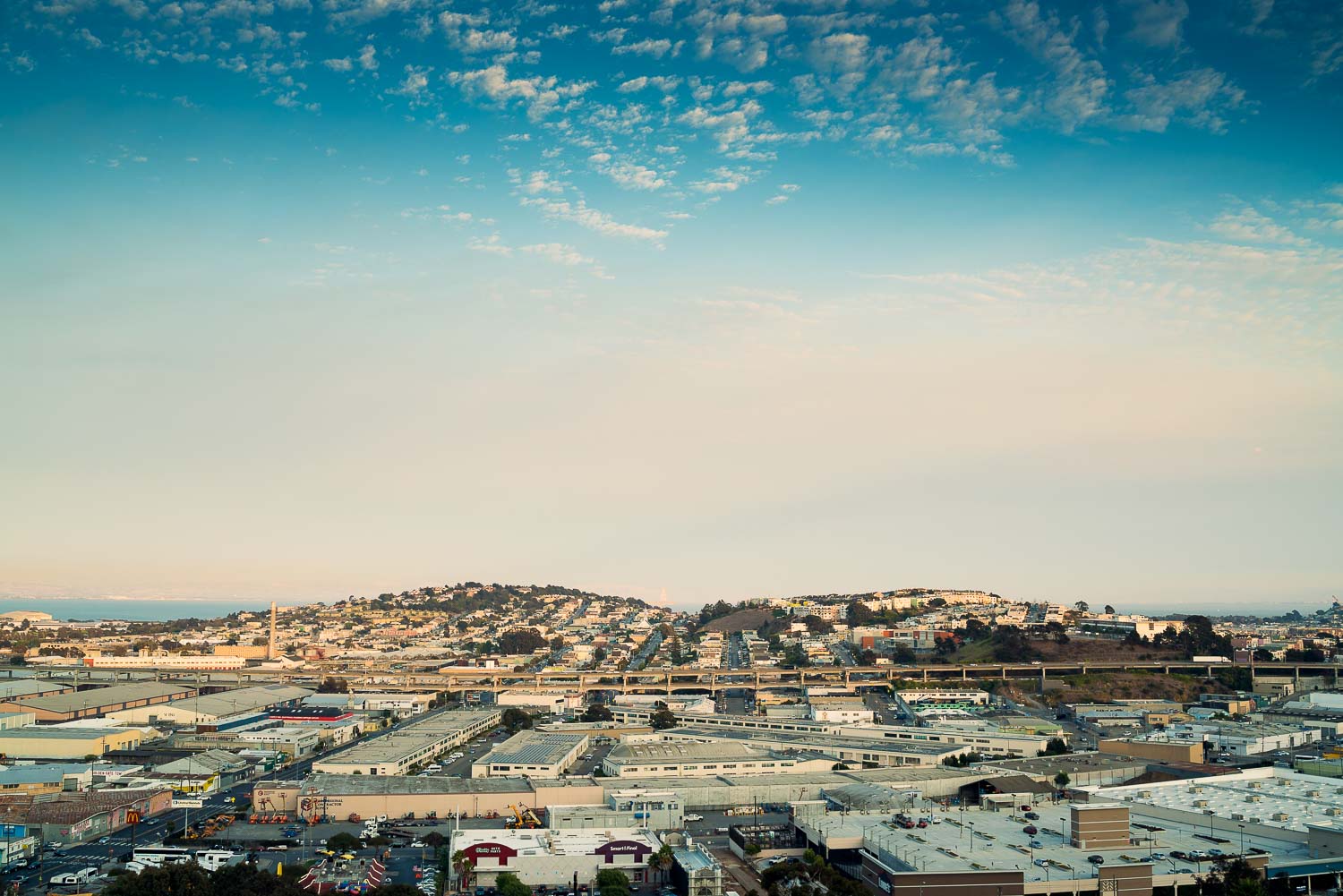
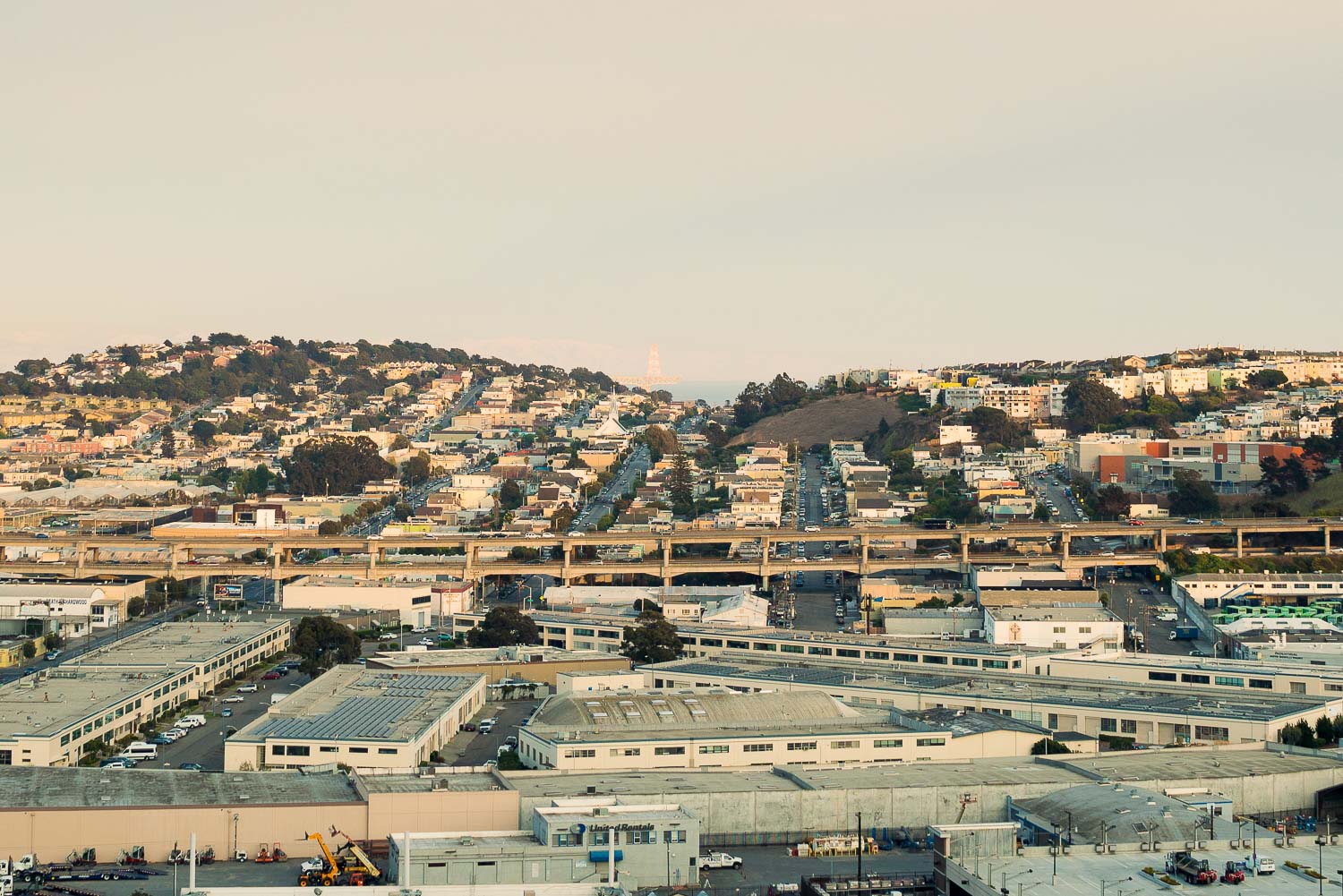
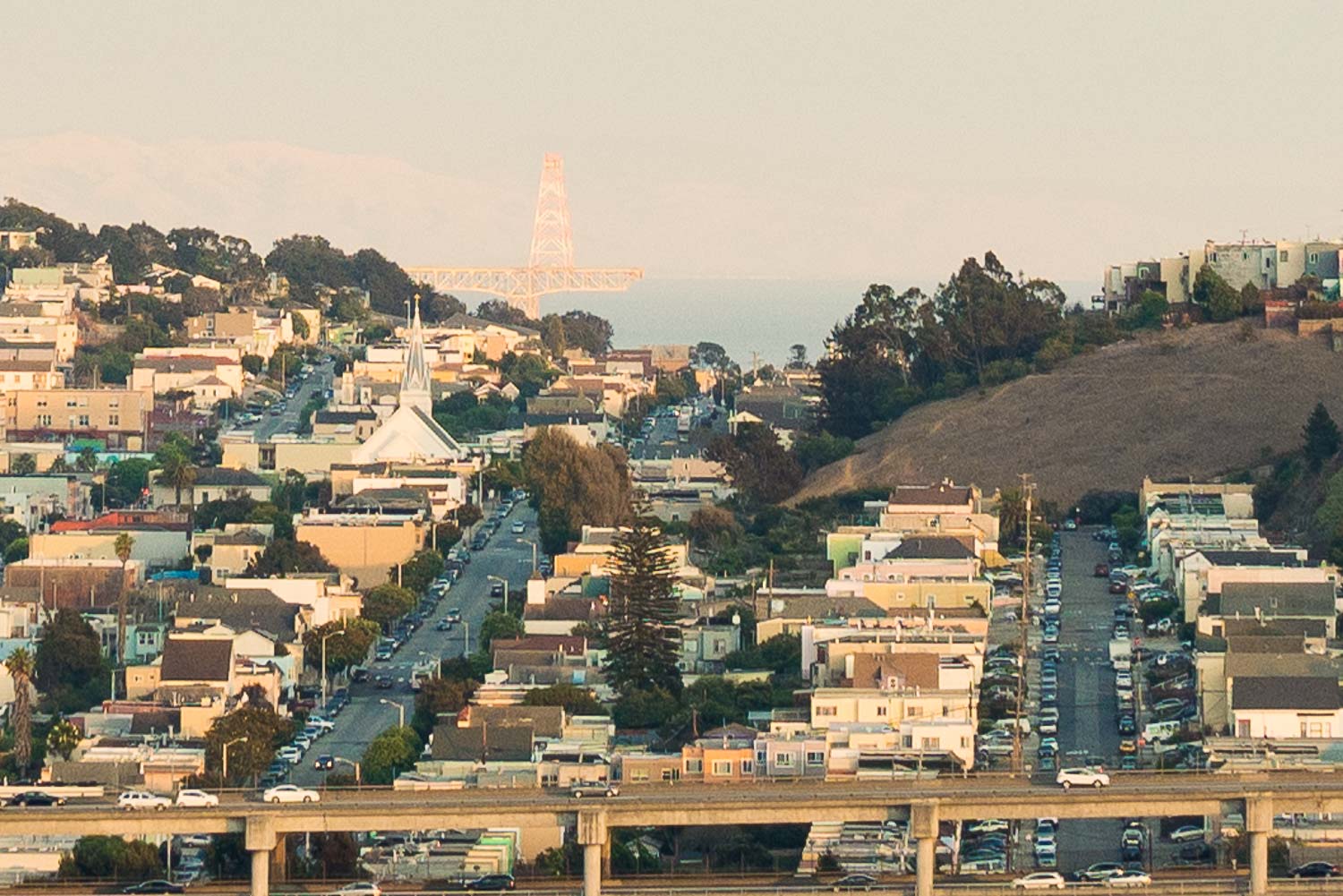
Big files are also big. Here are some examples of the a7R II doing what it does best — impressing you most when you don’t look at the entire photo (click/tap to embiggen):

Sony a7R II with Sony FE 35mm F1.4. 1/250 ƒ5.5 ISO 160. Uncropped.
Cropping in to reveal Hunter's Point...
The disused gantry crane at Hunter's Point Naval Shipyards, built in 1947. Behind it are the hills above Milpitas, CA — 36 miles away.
Sony a7R II with Sony FE 35mm F1.4. 1/250 ƒ5.5 ISO 160. Uncropped. Cropping in to reveal Hunter's Point... The disused gantry crane at Hunter's Point Naval Shipyards, built in 1947. Behind it are the hills above Milpitas, CA — 36 miles away.
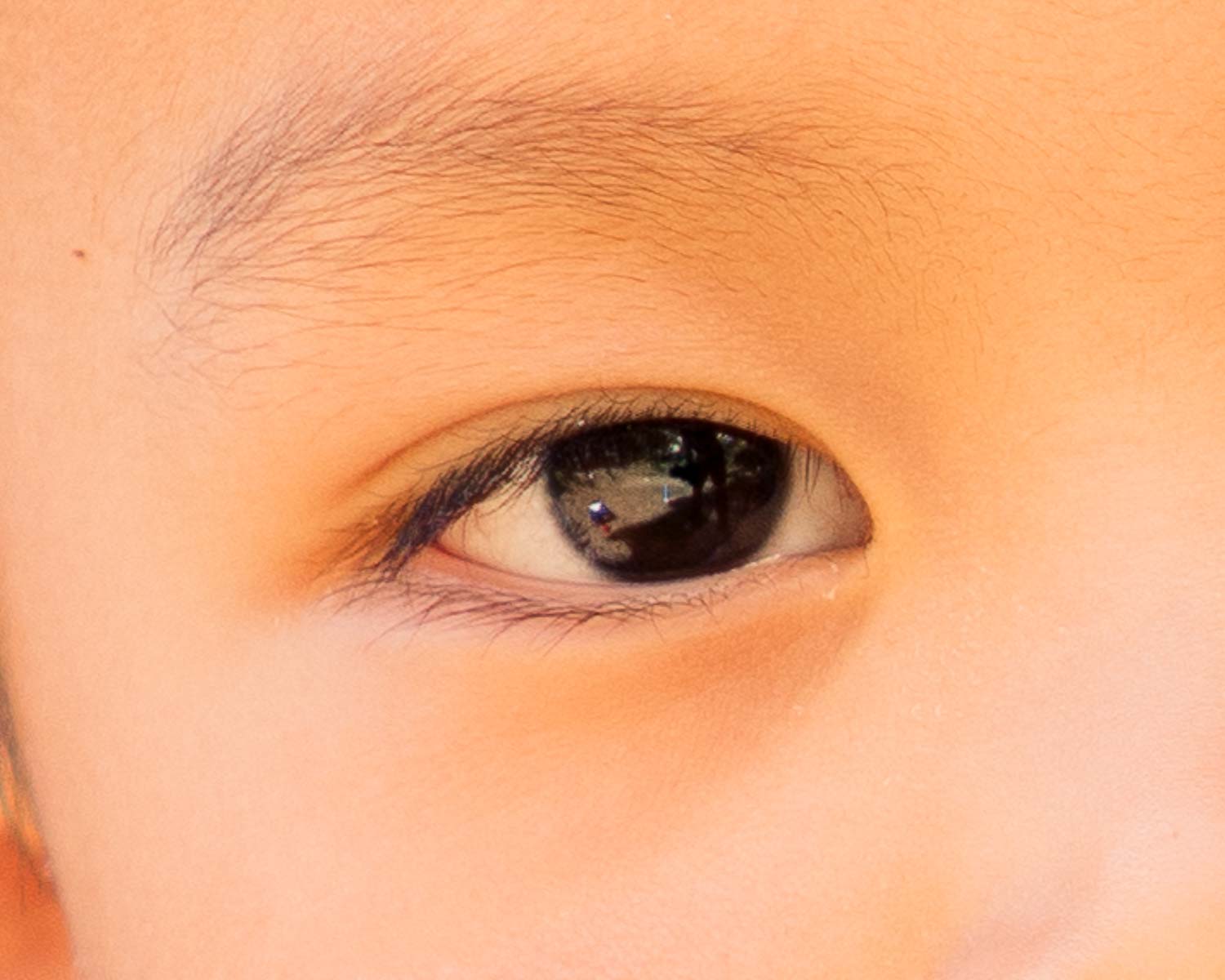
28mm ƒ2.0, uncropped
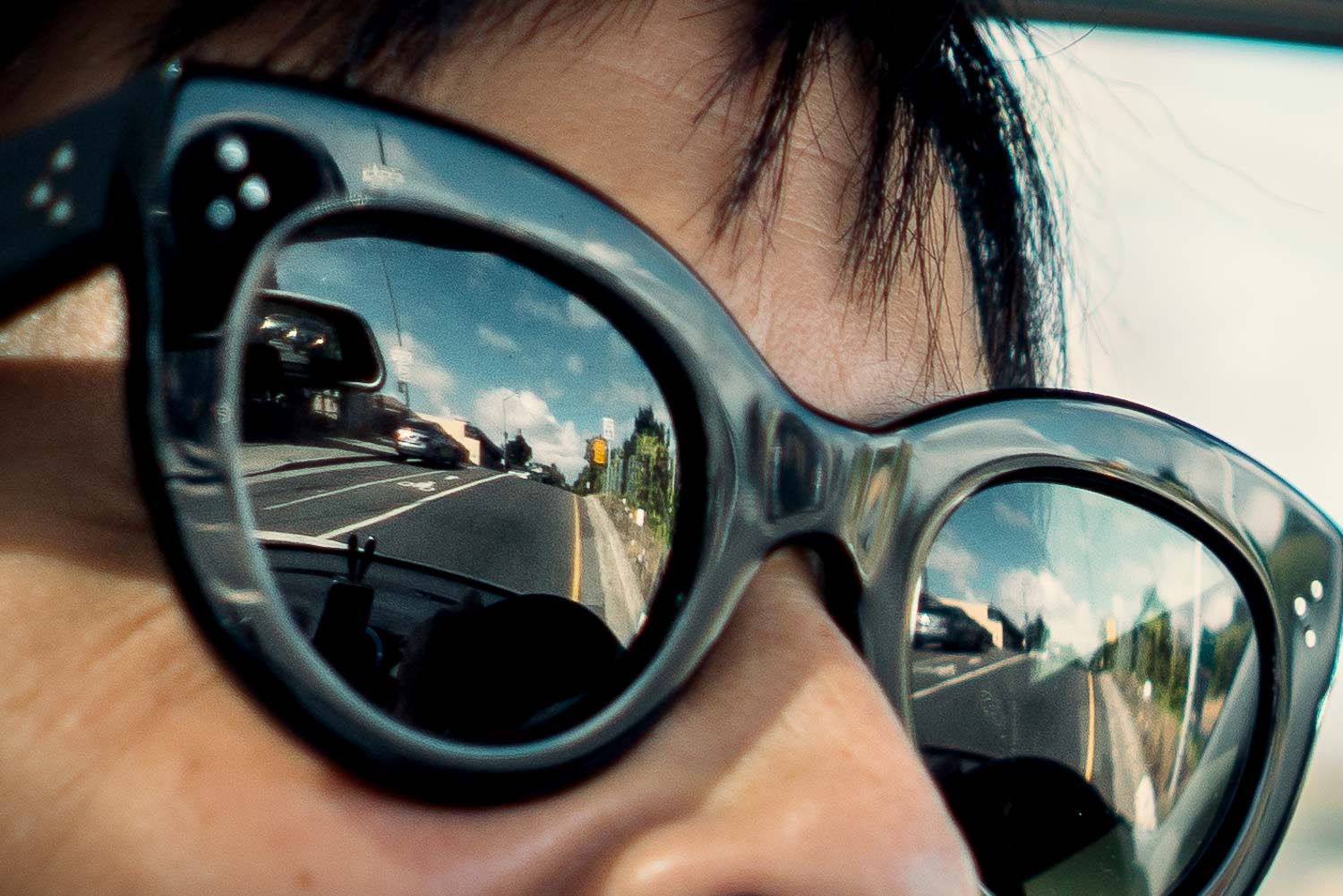
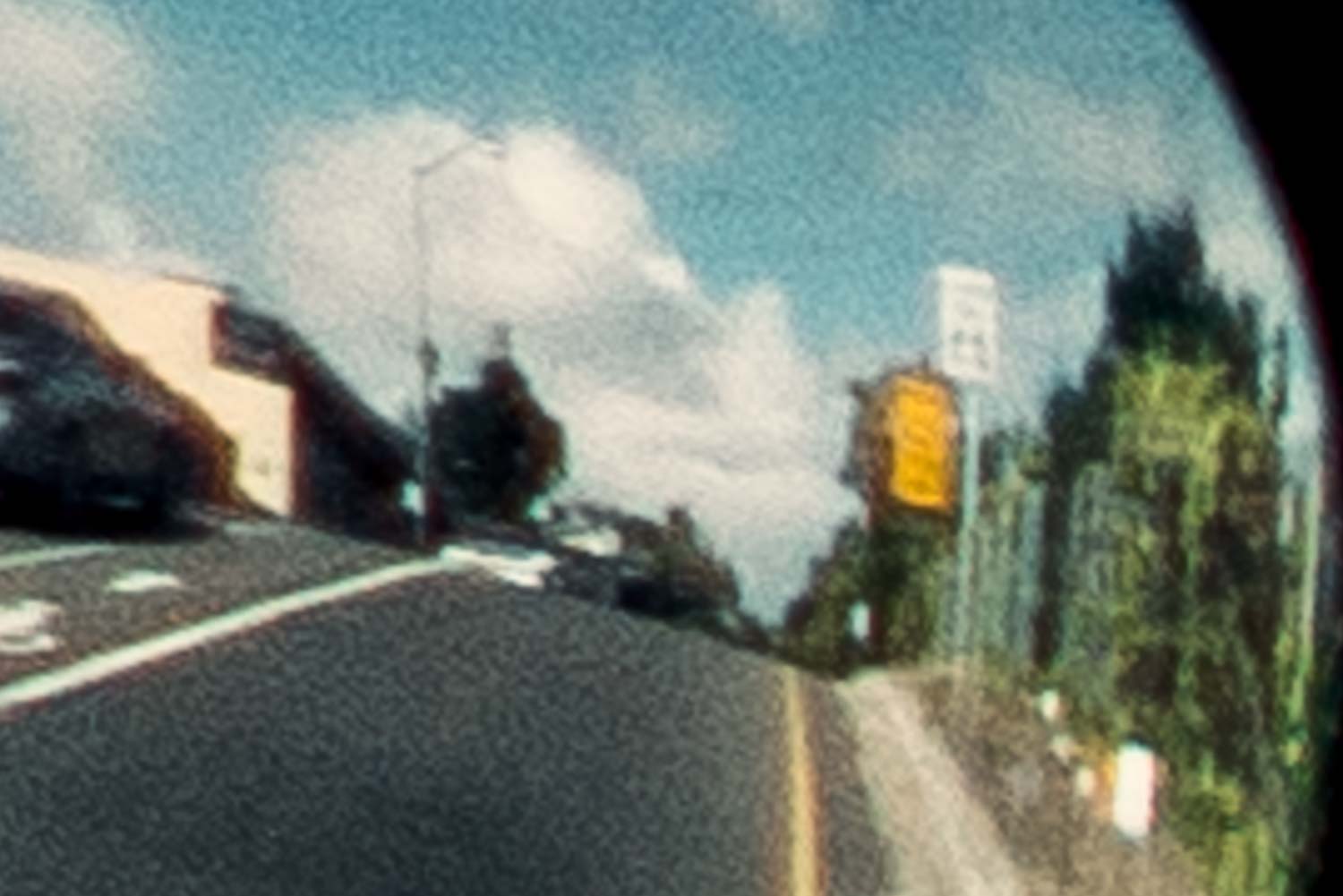
Nice sharp detail, but wait, what's that?
You can read the speed limit sign reflected in the glasses.
28mm ƒ2.0, uncropped Nice sharp detail, but wait, what's that? You can read the speed limit sign reflected in the glasses.
Sony a7R II with Sony FE 35mm F1.4. 1/250 ƒ/1.6 ISO 500.
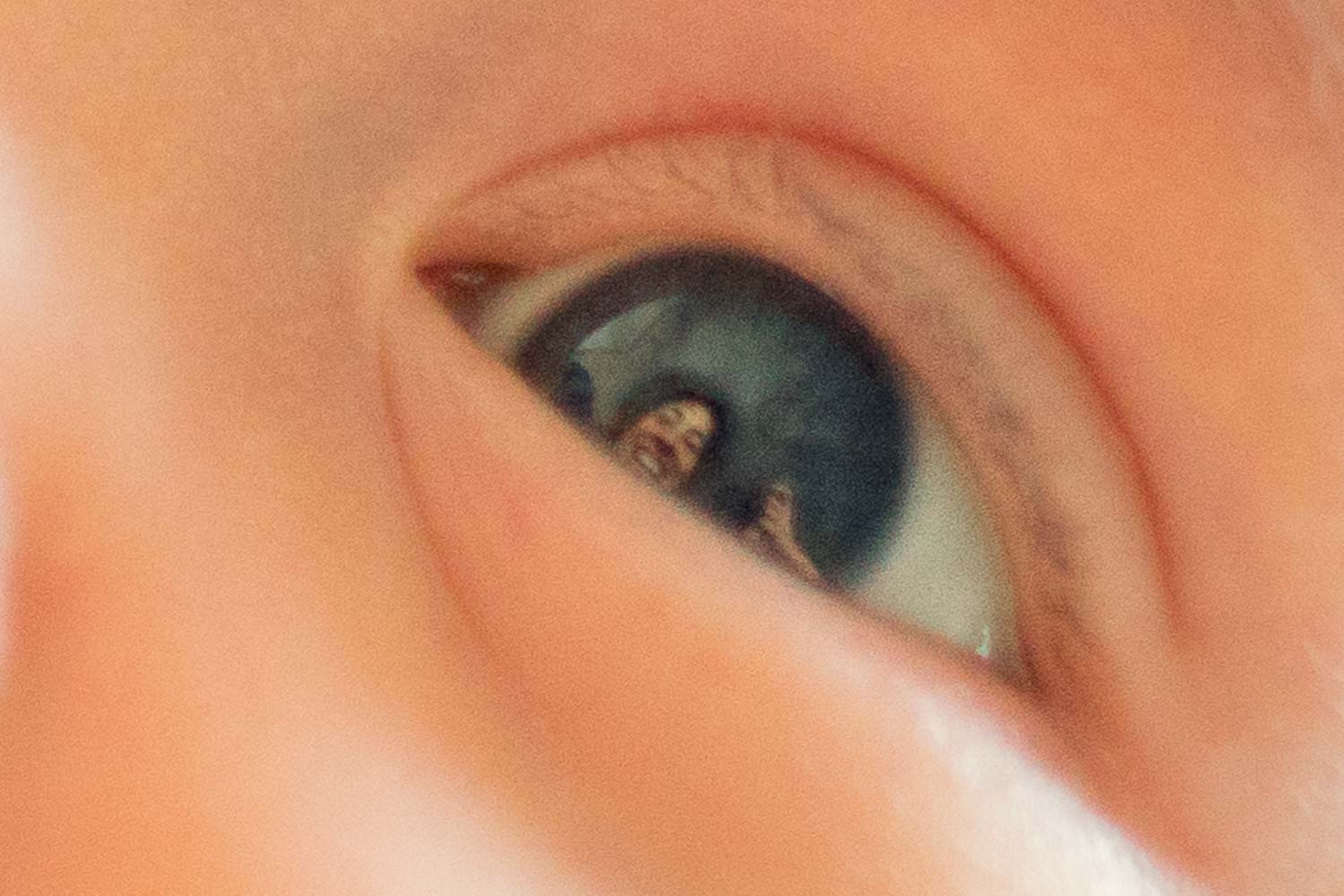
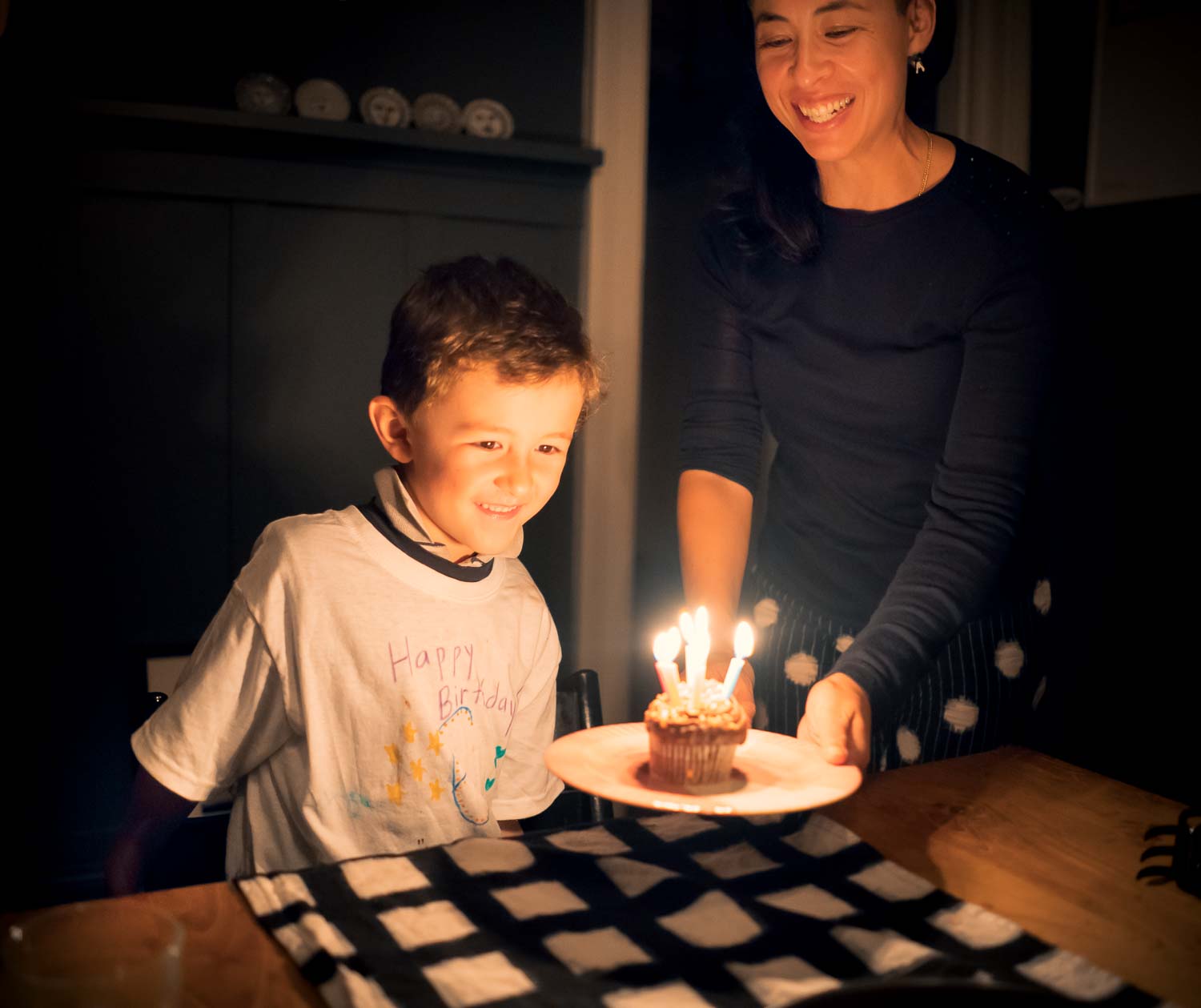
How many smiles are in this photo?
Two!
Two!
Sony a7R II with Sony FE 35mm F1.4. 1/250 ƒ/1.6 ISO 500. How many smiles are in this photo? Two!

This kind of showing off is fun, but if you think the extra resolution of the a7R II is going to imbue your shots with an intangible je ne sais quoi when you’re viewing them edge-to-edge like a sane person — well, you’d better free your mind instead.

This is a stunt camera, and as with any stunt, the correct conditions are necessary for success.

I tend to shoot pictures of moving objects, specifically people. I tend to shoot wide-open, with fast glass. My photos are full of artifacts and my subjects are rarely perfectly in focus. So I wasn’t expecting to capture many shots that show off the strengths of the a7R II.

Turns out I was wrong — because one of the best things about this camera is its autofocus. Quite simply, it rocks. I actually got some razor-sharp shots of unpredictably-ambulatory objects (i.e. children), wide-open, with fast glass.

150913-DSC01816-.jpg
150913-DSC01816--2.jpg
150913-DSC01816-.jpg 150913-DSC01816--2.jpg

That’s the a7R II with the Sony/Zeiss FE 55mm F1.8 lens. More on the lens below.

If you’ve got an eyelash thing, this may be your camera. But you won’t always get as lucky as I did in that one shot. Often, you’ll make a perfectly lovely shot like this:

Sony a7R II with Sony 28mm F2.0. 1/80 ƒ/2.0 ISO 6400.
I was told there would be eyelashes.
Sony a7R II with Sony 28mm F2.0. 1/80 ƒ/2.0 ISO 6400. I was told there would be eyelashes.

By my standards, a nice shot — but in this low-light, moving-subject situation, the extra resolution is buying me nothing.

When resolution buys you nothing, it costs you a lot.

That just-slightly-shy-of-sharp photo is taking up 40 megabytes on my hard drive (compared to about 27 MB per frame from my 5D Mark III, and 13.2 MB from my a7S). Not only does this fill up your computer drives awfully fast, it can also make you miss shots.

When you blast away in multi-shot mode, even though the a7R II is speedy, you can still get stopped from shooting as the giant raw frames write to even a fast card. I got my best performance from my SDXC card, which is also necessary for high bit-rate and 4K video.

$28.99
$31.99
$44.95
$58.93

Shooting a one-day-old baby with this camera, I had a few moments where the card-writes slowed me down. I’d grabbed the wrong card, so this was my fault — but that’s a habit I learned from using my a7S, where the speed of the card doesn’t matter as much. I missed some shots, and it really bummed me out. So when I traveled to Los Angeles for a friend’s wedding, I left the a7R II at home and brought my a7S instead. It’s smaller, it’s designed for low light, and I knew it could keep up with me.

This is what it feels like to hang out with @lonelysandwich. Sony a7S with Sony FE 35mm F2.8. 1/1250 ƒ2.8 ISO 2000. A 12.9 MB raw file, instead of 40.

Glass? I give a shit about glass.

I mentioned that Sony has nearly won me over with their full-frame cameras. The nuance there is that they’ve more than won me over with their full-frame camera bodies. It’s the lenses that I haven’t fallen in love with yet.

I own one Sony E-mount lens so far: The FE 35mm F2.8. As I’ve mentioned, it’s not sexy, but it’s small, and the ƒ/2.8 aperture happens to be perfect for street photography, which I enjoyed tremendously on a recent trip to New York. I didn’t put my Metabones adapter to work, because I wanted to test the a7R II’s much-vaunted autofocus unfettered.

Sony sent along three lenses for me to try out with the a7R II — two I requested, and one pleasant surprise.

My issue with the Zeiss FE lenses for Sony E-mount is not that they aren’t perfect. They are precisely perfect — mind-numbingly so. Look at this shot, taken essentially straight into the sun with a 70–200 zoom on a Sony a7II. I can tell you who’s who on that balloon. Try that with a Canon lens.

Zeiss makes perfect lenses. This means they are actively choosing not to make imperfect lenses — which takes a lot of the fun out of things, if you’re me. Canon seems to have a much more liberal idea of what constitutes a sellable lens. They’ll happily take your money for an F1.2 lens that you probably shouldn’t shoot with past ƒ/1.8, or a 16–35mm zoom that you probably shouldn’t push past 24mm. I have both those lenses, and they rock. But they’re a bit like a house cat — when they’re done cuddling with you, they’ll claw you to shreds without warning.

Canon is crazy. And I kinda love it. I can just imagine the German engineers at Zeiss sneering at the famous 85mm F1.2L cannonball. There’s so much wrong with it. I still totally want one.

The Zeiss lenses I tried with the a7 II in San Diego all impressed me with their performance, but none of them were any fun. Except one — the FE 35mm F1.4.

Sony a7R II with Sony FE 35mm F1.4, and Sony a7S with Sony FE 35mm F2.8

This comparison never gets old to me, because it says so much about what it takes to gather light — two different 35mm lenses, one F2.8, other other F1.4. I mentioned that my little 35mm lens is not sexy? This big one is sexy. Such an awesome lens. A huge, physical, clickless aperture ring. Tack-sharp wide open, but with buttery soft boke. I took this shot with it, and it breaks my heart:

Sony a7R II with Sony FE35mm F1.4. 1/320 ƒ/1.4 ISO 100.

The 35mm angle of view with this kind of shallow depth of field is an arresting combination that perfectly captured my son’s first day of Kindergarden. Sony, please make more lenses like this.

I also wanted to try the Sony 55mm F1.8. At about a thousand dollars, it’s the closest thing in the Sony lineup to a “nifty fifty,” although at ƒ/1.8 it could be niftier (or, at $250, Sony's 50mm F1.8 offering could be thriftier). My main concern was that, at 55mm rather than 50, this lens is veering toward portraiture rather than the wider street (or birthday party) focal lengths I’ve been preferring lately. Still, it can make the pretty if you learn the ways of its half-a-notch-tighter-than-normal AOV.

A shot that would be utterly boring without the shallow focus directing your emotional empathy. Ah to be young and pummeled with cubes by girls. Sony a7R II with Sony FE 55mm F1.8. 1/250 ƒ/1.8 ISO 640.

The surprise lens was the FE 28mm F2.0. A little wider than my 35mm F2.8, and a little faster — but not a ton larger. I rapidly grew to love this weird little lens. It’s a great pairing with the a7R II, because you probably will crop many of the shots you make with it. I found it an intoxicating mix of size, speed, and breadth of stage. It kicked ass at my kid’s 6th birthday party, and then, when that was over, and the birthday boy was all hopped up on cake and LEGO, running around the backyard like a lunatic, I snapped this — almost daring the a7R II’s autofocus to step up:

Sony a7R II with Sony FE 28mm F2.0. Sony a7R II with Sony FE 28mm F2.0. 1/250 ƒ/2.0 ISO 250.

You have to believe me that this kid is a projectile in this photo. Like, I feared for my life. In a million years I never would have tried this shot with my Canon. But the a7R II — in essentially braindead let-the-camera-do-all-the-work focus mode — found his face, tracked it, and made a rapid burst of three usable shots in a row.

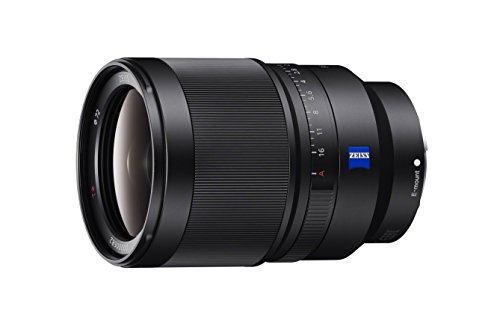
Sony SEL35F14Z Distagon T FE 35mm f/1.4 ZA Standard-Prime Lens for Mirrorless Cameras
$1,598.00
Sony 35mm F2.8 Sonnar T* FE ZA Full Frame Prime Fixed Lens
$798.00
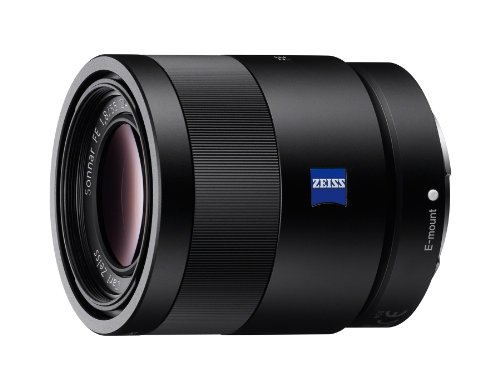
Sony 55mm F1.8 Sonnar T* FE ZA Full Frame Prime Lens - Fixed
$998.00
Sony SEL28F20 FE 28mm f/2-22 Standard-Prime Lens for Mirrorless Cameras
$448.00

Who’s it for?

Eric says the a7R II's front curtain shutter helps make his photos noticeably sharper, and the silent shutter option is great for shooting in public spaces. Combining the silent shutter with the highly-configurable continuous bracketing option (up to nine exposures!) is his favorite way to capture HDR — the lower bit depth that continuous bracketing forces is overcome by the exposure-averaged shadow detail that HDR processing introduces.

My buddy Eric Staudenmaier is a professional photographer specializing in architecture. He’s crazy talented, and puts a lot of work into prepping his shoots, testing his gear, and making sure he’s got everything perfect before pressing that shutter. His subjects don’t move around a lot, and his clients need big pictures.

In other words, he’s the anti-Stu — and the a7R II is perfect for him. Especially because his clients are starting to ask for video too.

Oh yeah, video too.

I have to be honest — I did shoot some 4K video with the a7R II, but it’s utterly unremarkable. You can see just how boring it is by looking at my right hand in this tutorial.

Maybe what’s remarkable about the 4K video on the a7R II is just how unremarkable it is. It’s there, and it’s exactly what it should be. Aliasing is minimal, rolling shutter is about what you’d expect, and now that both this DSLR-replacement and my telephone shoot 4K video, 4K is now pretty much table stakes for any semi-serious video camera — even if the reasons to use it have little to do with audience experience.

But I suppose the real reason I didn’t shoot much video with the a7R II came along on the opening night of IBC 2015.

The Elephant in the Waiting Room

The Sony a7S II is available for pre-order now. Dammit.

The Sony a7S II is available for pre-order now. Dammit.

The week after I received the loaner a7R II, Sony announced the a7S II. Since I suffer from Next Camera Disorder, this was kind of a strange buzzkill — like being told you’ve won the lottery in the middle of a nice massage.

The a7S II promises to bring many the “II” improvements of the a7R II — image stabilization, OLED viewfinder, form factor, and internal 4K video (but not the on-sensor phase detect autofocus) — and pair them with the crazy low-light S-is-for-sensitivity of the a7S. Its 4K video is made with a full readout of the pixels from its bravely minimal 12 megapixel sensor, and it will shoot sLog 3 video with — and this I dreamed of but dared not ask for — a Rec709 preview LUT.

Do I want the a7S II more than the a7R II for these real reasons, or because it doesn’t yet have the burden of being a (blech) currently-available camera?

Yes. More on that later. In the meantime, anyone want to buy a lightly-used a7S?
Recommendations

The Sony a7R II may not be a camera that you want, but I think it's an important camera for this reason: From this day forward — if you're anything like me — there will always be a Sony full-frame camera that you do want.

If you’re Eric, get the a7R II. It’s awesome. If you’re me, pre-order the a7S II. If you’re a normal person looking for a great Sony full-frame mirrorless camera, consider the now-quite-affordable a7II.

If you’re Canon: Pay attention.


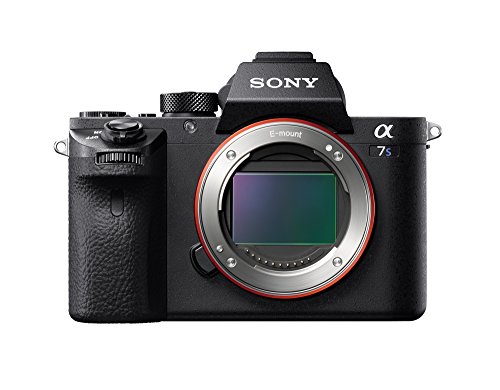
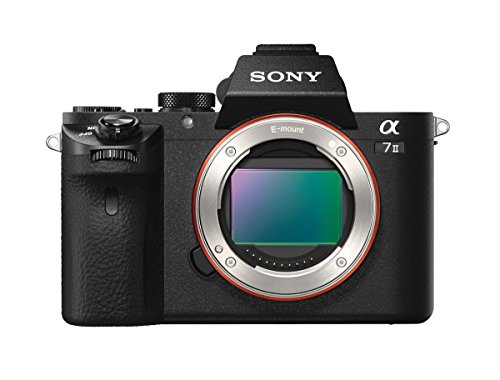
Sony a7R II Full-Frame Mirrorless Interchangeable Lens Camera, Body Only (Black) (ILCE7RM2/B)
$3,198.00
Sony ILCE7SM2/B Full-Frame Mirrorless Interchangeable Lens Camera (Black)
$2,998.00

(That's the a7S II, not sure why Amazon's name doesn't include that.)

Sony Alpha a7II Mirrorless Digital Camera - Body Only
$1,698.00
Tags: Cameras, Photography, Filmmaking, Sony a7S, Sony a7RII
10 Comments
Prev / Next
Featured
Maxon One
Maxon One

Cinema 4D, Forger, Red Giant, Redshift, Universe, and ZBrush, all in one bundle.

Slugline
Slugline

Screenwriting for Mac, iPad, and iPhone

Prolost Store
Prolost Store

Apps, presets, and other goodies for filmmaking and photography.


Featured Post

Featured
Log is the “Pro” in iPhone 15 Pro
Oct 10, 2023
Log is the “Pro” in iPhone 15 Pro
Oct 10, 2023
Oct 10, 2023

Recent Posts

Featured
My App Will Harm You Physically, Using Math
Dec 8, 2025
My App Will Harm You Physically, Using Math
Dec 8, 2025
Dec 8, 2025
Cameras, Phones, and Log — What’s the Juice?
Feb 3, 2025
Cameras, Phones, and Log — What’s the Juice?
Feb 3, 2025
Feb 3, 2025
Kino: My New Favorite iPhone Video App
May 29, 2024
Kino: My New Favorite iPhone Video App
May 29, 2024
May 29, 2024
Apple’s “Let Loose” iPad Event was Shot on iPhone — With Panavision Lenses
May 9, 2024
Apple’s “Let Loose” iPad Event was Shot on iPhone — With Panavision Lenses
May 9, 2024
May 9, 2024
iPhone ProRes Log in Peru and Taiwan
Jan 30, 2024
iPhone ProRes Log in Peru and Taiwan
Jan 30, 2024
Jan 30, 2024
What I Want to Do in Apple Vision Pro
Jan 19, 2024
What I Want to Do in Apple Vision Pro
Jan 19, 2024
Jan 19, 2024